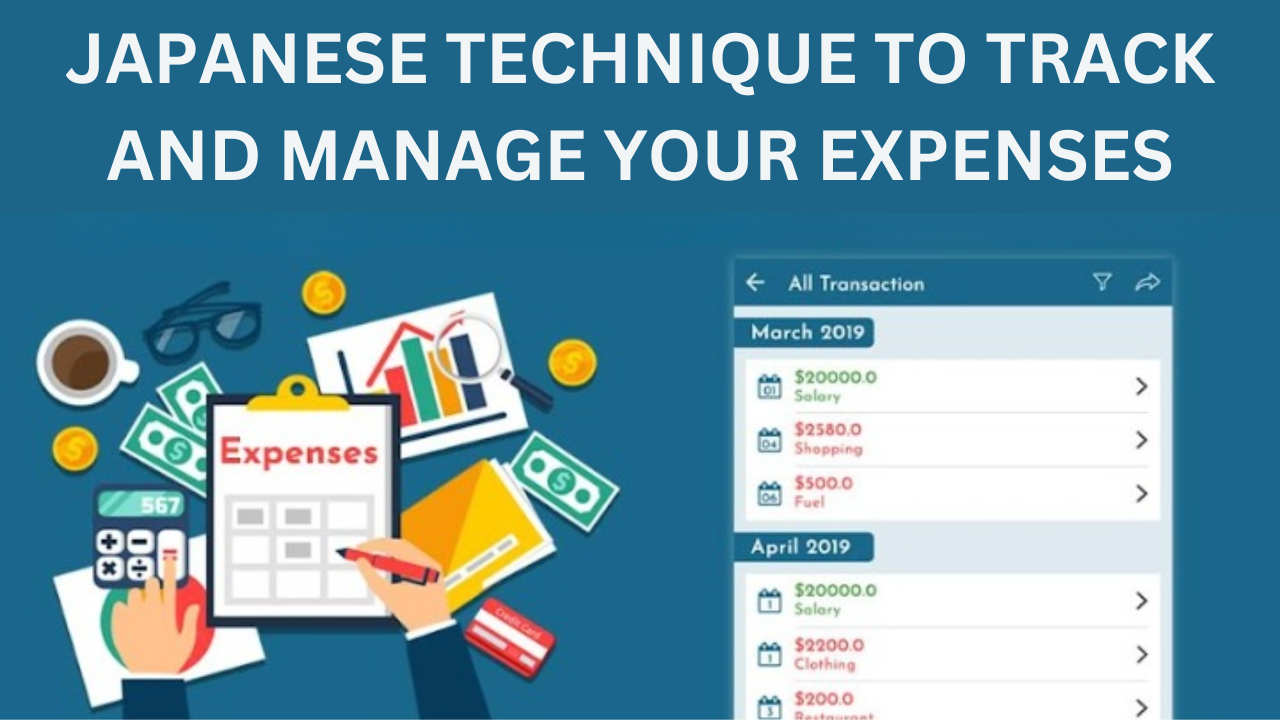
Managing money can be a bit like trying to hold water in your hands – it just slips away if you’re not careful. That’s why it’s important to learn how to track and manage your expenses. Luckily, we can learn some pretty cool tricks from Japan! Let me take you on a journey where we explore a Japanese method called Kakeibo. This age-old technique can help you keep track of your money in a simple and fun way, even if you’re just a kid.
What is Kakeibo?
Kakeibo (pronounced “kah-keh-bo”) is a Japanese word that means “household financial ledger.” It’s a method of budgeting that has been used in Japan for over a century. The idea is pretty simple: you write down all the money you spend and all the money you earn. By doing this, you can see where your money is going and figure out ways to save more of it.
How to Start with Kakeibo:
Starting with Kakeibo is easy All you need is a notebook and a pen. Here’s how you can do it:
Set Your Budget: First, decide how much money you have to spend. This might be your allowance or money you earned from doing chores.
Track Your Expenses: Whenever you spend money, write it down in your notebook. Be honest and write down everything, even if it’s just a candy bar.
Categorize Your Spending: Divide your spending into different categories. You might have categories like food, entertainment, school supplies, and savings.
Review and Reflect: At the end of each month, take a look at your notebook. See how much you spent in each category. Think about where you can cut back and how you can save more.
Benefits of Using Kakeibo:
Using Kakeibo has many benefits. Here are a few reasons why it’s a great idea:
Helps You Be More Mindful: When you write down everything you spend, you become more aware of where your money is going. This can help you make better choices and avoid spending on things you don’t really need.
Encourages Saving: Kakeibo encourages you to think about your financial goals and work towards them. Maybe you want to save up for a new toy or a special treat. By keeping track of your spending, you can find ways to save money and reach your goals faster.
Teaches Responsibility: Learning to manage money is an important life skill. By using Kakeibo, you can start developing good money habits at a young age.
Fun Tips for Using Kakeibo:
Here are some fun tips to make using Kakeibo even more enjoyable:
Decorate Your Notebook: Make your Kakeibo notebook fun and personal by decorating it with stickers, drawings, or colorful tape.
Set Challenges: Challenge yourself to save a certain amount of money each month. Reward yourself with a small treat if you meet your goal.
Involve Your Family: Get your family involved in using Kakeibo. Share your financial goals and work together to find ways to save money as a family.
Real-Life Application:
Let’s talk about how you can apply Kakeibo in real life. Imagine you receive a weekly allowance of 500 rupees. The first step would be to decide how much of that money you want to save. Let’s say you decide to save 100 rupees each week. That leaves you with 400 rupees to spend.
Next, you need to track your spending. Every time you spend money, write it down in your notebook. If you buy a snack for 50 rupees, write it down. If you buy a new toy for 300 rupees, write it down. At the end of the week, you’ll have a record of all your spending.
Then, categorize your spending. You might have categories like snacks, toys, and savings. This will help you see where your money is going and where you might be able to cut back.
Finally, review your spending at the end of each month. Look at your categories and see if there are any areas where you can spend less. Maybe you realize you’re spending too much on snacks and decide to cut back a little. By doing this, you can save even more money and reach your financial goals faster.
Conclusion:
Managing money doesn’t have to be boring or difficult. With the Japanese technique of Kakeibo, you can make tracking and managing your expenses fun and easy. By setting a budget, tracking your spending, and reflecting on your choices, you can become more mindful of your money and learn important financial skills that will benefit you for a lifetime. So grab a notebook, get started with Kakeibo, and watch your savings grow!
This Japanese technique can turn money management into a fun and educational activity. By making it a regular part of your routine, you can develop good financial habits that will stick with you as you grow older. Remember, the key is to be honest about your spending and always look for ways to improve.
FAQS:
- What is Kakeibo?
Kakeibo is a Japanese method of budgeting and managing personal finances. It involves tracking both your income and expenses, categorizing your spending, and reflecting on your financial habits to find ways to save money. - How do you use Kakeibo to track your expenses?
To use Kakeibo, start by setting a budget, then write down every expense in a notebook. Categorize your spending into groups (e.g., food, entertainment, savings), and review your expenses regularly to identify areas where you can cut back and save more. - What are the benefits of using Kakeibo?
Kakeibo helps you become more mindful of where your money goes, encourages saving for financial goals, and teaches responsibility by helping you develop good money management habits. - Can I make Kakeibo fun?
Yes! You can decorate your Kakeibo notebook with stickers, colors, or drawings. Additionally, you can set fun challenges, like saving a certain amount each month, and reward yourself when you reach your goals. - How can Kakeibo help me in real life?
By using Kakeibo, you can track your expenses, see where you might be overspending (like on snacks or toys), and make better decisions to save more money. Over time, this practice helps you reach financial goals faster and teaches you important financial skills.
